
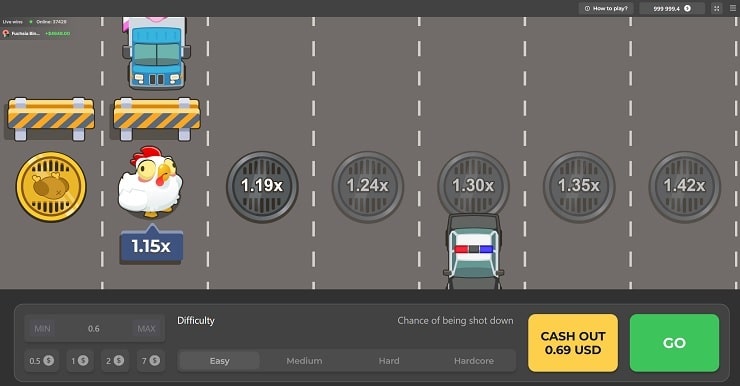
The world of video games has transformed dramatically since its inception. What began as simple pixelated graphics and basic sound effects has evolved into a multi-billion dollar industry that captivates millions worldwide. This article delves into the rich history, significant milestones, and future trends in gaming, unraveling how it has become a crucial part of popular culture. One of the prime examples of creativity in gaming today is game Chicken Road, which showcases innovative gameplay and design.
The Birth of Video Games
Video games trace their origins back to the early 1950s and 1960s when computer scientists began experimenting with simple games as a way to engage with technology. One of the earliest examples is “Tennis for Two,” created in 1958 by physicist William Higinbotham. This rudimentary tennis simulation was displayed on an oscilloscope and allowed players to enjoy a virtual game, albeit in a very simplistic form.
The Arcade Era
The 1970s marked the dawn of the arcade era, with games like “Pong” by Atari gaining immense popularity. Arcades became social hubs, filled with neon lights and the sounds of beeping machines. Players would gather to compete against one another, fostering a sense of community and competition. This period also saw the rise of iconic titles like “Space Invaders” and “Pac-Man,” which laid the foundation for future game design.
The Home Console Revolution
The late 1970s and early 1980s witnessed a significant shift in gaming with the introduction of home consoles. The Atari 2600 changed the landscape, allowing players to enjoy games in their own living rooms. This convenience led to a surge in popularity, but it also set the stage for an oversaturated market. By the mid-1980s, the gaming industry faced a crash due to an influx of low-quality games. However, the arrival of the Nintendo Entertainment System (NES) in 1985 reignited interest in home gaming, thanks to its library of quality titles and innovative gameplay.
The Rise of 3D Graphics
The transition from 2D to 3D graphics revolutionized the gaming experience in the 1990s. Games like “Doom” and “Wolfenstein 3D” introduced players to immersive environments that allowed for more complex gameplay and storytelling. The Sony PlayStation’s arrival in 1994 further pushed boundaries, providing developers with powerful hardware and the ability to create cinematic experiences.
The Online Gaming Boom
With the advent of the internet, multiplayer gaming began to gain traction in the late 1990s and early 2000s. Games like “Counter-Strike” and “World of Warcraft” transformed how players connected, enabling them to interact and collaborate with others globally. The concept of eSports emerged, allowing skilled players to compete in tournaments, paving the way for gaming to be recognized as a legitimate sport.
The Mobile Gaming Revolution
The proliferation of smartphones in the 2010s led to the rise of mobile gaming. Casual games such as “Angry Birds” and “Candy Crush Saga” captured the attention of both casual and dedicated gamers. With the convenience of gaming on-the-go, the mobile gaming market exploded, leading to a fundamental shift in how games were developed and consumed. Developers began focusing on accessibility and monetization strategies, adapting to a rapidly changing landscape.
The Current State of Video Games
Today, video games encompass various genres, styles, and platforms, from AAA titles to indie games. Gaming has become more inclusive and diverse, appealing to a broader audience than ever before. Virtual reality (VR) and augmented reality (AR) technology are pushing the boundaries of what games can be, providing players with immersive experiences that blur the lines between the virtual and real worlds. Titles like “Half-Life: Alyx” highlight the potential of VR as a medium for storytelling and gameplay innovation.

Gaming and Culture
Video games have become a significant cultural force, influencing fashion, music, and art. Major franchises like “The Legend of Zelda” and “Final Fantasy” have left an indelible mark on the industry and popular culture, spawning merchandise, films, and even theme parks. Gaming conventions such as E3 and PAX allow fans to engage with developers and celebrate their shared passion for gaming.
Future Trends in Gaming
As technology continues to advance, the future of gaming looks promising. Cloud gaming services like Google Stadia, Xbox Cloud Gaming, and Nvidia GeForce Now are changing the way we access and play games, allowing users to stream high-quality games without the need for expensive hardware. This could democratize gaming, making it accessible to even more players around the world.
The Importance of Community
The gaming community plays a vital role in shaping the industry. Fans often band together to support causes, promote diversity, and advocate for positive changes within gaming. Platforms like Twitch and YouTube provide gamers with opportunities to share their experiences and connect with others, fostering a sense of belonging and camaraderie.
Conclusion
From humble beginnings to a multi-billion dollar industry, the evolution of video games has been nothing short of remarkable. As technology progresses and cultural perceptions continue to shift, gaming will remain an integral part of our lives. With diverse voices and innovative ideas shaping the industry, the future holds exciting possibilities for what lies ahead in the world of gaming.